I Used to Have a Life Outside of Historic Textiles
It is true. Long before my world became entirely consumed by the intricate beauty of lace and whitework, I was a general art historian.
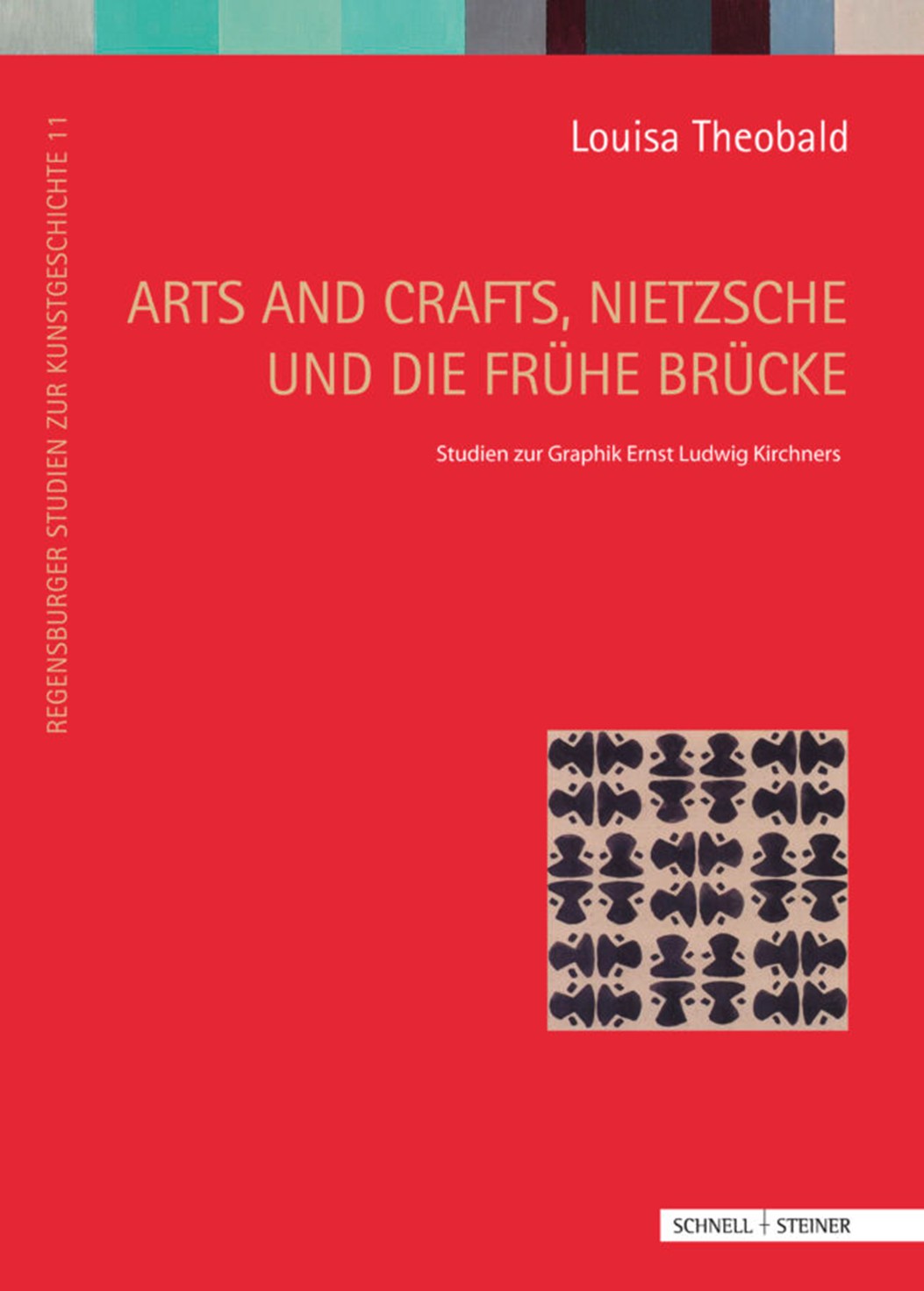
I completed both my Master of Arts and my Ph.D. at Regensburg University, giving me a deep foundation of art historical knowledge that extends far beyond the world of textiles. In fact, back in 2011, my doctoral dissertation was published by Schnell & Steiner: Arts and Crafts, Nietzsche und die frühe Brücke: Studien zur Graphik Ernst Ludwig Kirchners. While many of you know me today for my specialized textile research, my roots lie in this much broader academic landscape.
A Broad Foundation in Art History
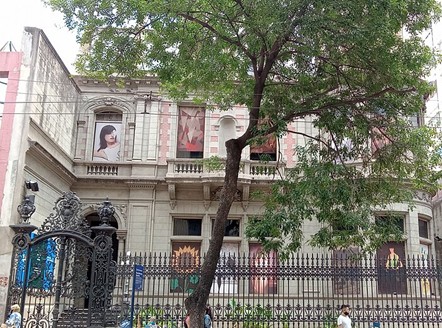
My expertise is built on a diverse global perspective. Long before focusing on European textiles, my research took me to South America, where I studied art history for a year at the Universidad de Buenos Aires (UBA). This international perspective deepened when I wrote my master’s thesis on the avant-garde Argentinian artist Xul Solar (1887-1963) and gained hands-on museum experience whilst researching at Museo Xul Solar in Buenos Aires and during an internship at the Museo Municipal de Bellas Artes Dr. Genaro Pérez in Córdoba, Argentina. It is this wide-ranging background that taught me to look at visual culture through many different lenses.

How This Benefits My Textile Work
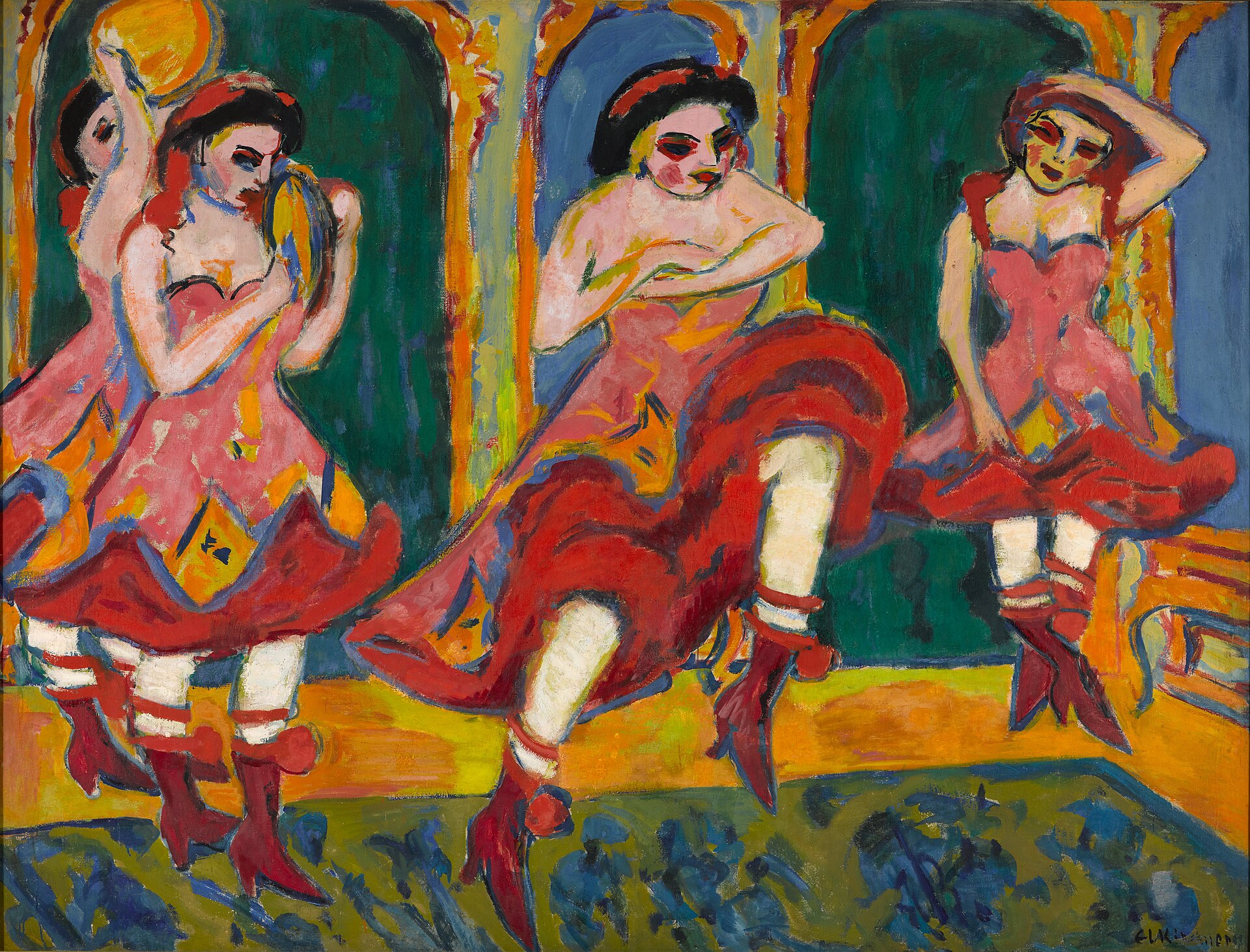
Having this broad foundation completely changes how I approach historic textiles today. I do not view lace or whitework in a vacuum; instead, my training allows me to see the bigger picture. When I analyse a textile, my general art history background helps me contextualize designs by connecting fabric patterns directly to the mainstream art movements, architecture, and design theories of their time. Furthermore, this rigorous training in research methodology, archival work, and critical theory gives my academic textile writing unique depth. It allows me to decode visual culture and analyse historic textiles with the same critical precision used for a woodcut by Kirchner or a watercolour by Xul Solar.
So, when I look at a piece of historic lace today, I do not just see fabric. I see a complex artifact steeped in global art history, philosophy, and centuries of visual culture.